
An artifact is something made or shaped by humans, especially an object of historical, cultural, artistic, or archaeological interest. The word can also describe an unintended effect or distortion in fields such as photography, computing, medicine, and scientific research. Because its meaning changes by context, choosing a replacement requires care.
You may need an alternative to artifact because you want simpler everyday wording, more precise academic language, or terminology that fits a specific field. Below, you’ll find true synonyms, near synonyms, contextual alternatives, formal choices, and industry-specific terms—with examples showing when each one works.
Quick Answer
The best synonym for artifact depends on its meaning. For a human-made historical object, use object, relic, antiquity, or historical object. In everyday writing, item or object may be clearer. In technology, glitch, distortion, or visual defect may work better when artifact means an unintended result.
Quick List: Synonyms for Artifact
Here are useful alternatives grouped by meaning:
Closest Alternatives

- Object
- Item
- Relic
- Historical object
- Cultural object
- Antiquity
- Remnant
- Remains
Formal or Academic Alternatives
- Archaeological object
- Cultural artifact
- Material object
- Historical remains
- Archaeological remains
- Cultural remains
- Manufactured object
Contextual Alternatives
- Heirloom
- Treasure
- Keepsake
- Ruin
- Evidence
- Record
- Product
- Creation
Technology and Digital Contexts
- Glitch
- Distortion
- Visual defect
- Error
- Anomaly
- Rendering defect
- Data corruption
Casual Alternatives
- Thing
- Item
- Old object
- Piece
- Find
Formal Alternatives to Artifact
1. Archaeological Object
Meaning: A physical object discovered through archaeological research.
Explanation: This is more specific than artifact. It works especially well when discussing objects recovered from archaeological sites.
Example: The museum displayed several archaeological objects from the ancient settlement.
Best Use: Academic papers, museum descriptions, archaeology reports.
Worst Use: Casual conversation, where object or item is easier.
Tone: Formal and academic.
2. Historical Object
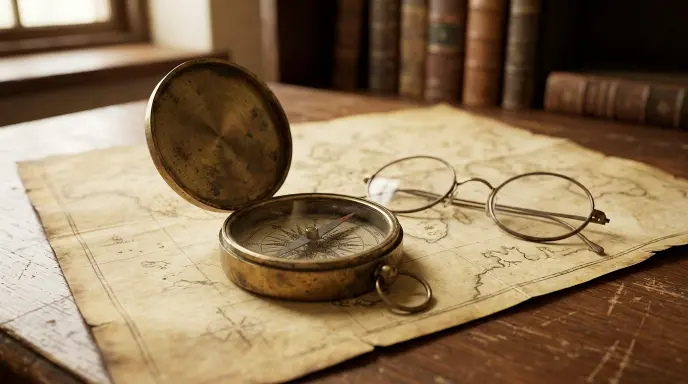
Meaning: An object that has historical importance or comes from an earlier period.
Explanation: This phrase emphasizes historical value rather than simply stating that something was made by humans.
Example: The collection contains historical objects from the colonial period.
Best Use: Museums, educational writing, historical articles.
Worst Use: Technical contexts where artifact has a completely different meaning.
Tone: Formal and informative.
3. Antiquity
Meaning: An ancient object or something associated with ancient history.
Explanation: Antiquity can refer to ancient times generally or to an ancient object. It is not a universal replacement for artifact.
Example: The dealer specialized in Greek and Roman antiquities.
Best Use: Art history, archaeology, museums, historical writing.
Worst Use: Modern objects.
Tone: Formal and historical.
4. Archaeological Remains
Meaning: Physical evidence left behind by past human societies.
Explanation: This term is broader than artifact. It can include objects, structures, fragments, and other physical traces.
Example: Archaeological remains were found beneath the old marketplace.
Best Use: Archaeology reports and historical research.
Worst Use: Referring to one ordinary modern object.
Tone: Academic.
5. Cultural Object
Meaning: An object connected to the traditions, practices, or identity of a culture.
Explanation: This phrase focuses on cultural significance rather than age.
Example: The museum returned several cultural objects to their communities of origin.
Best Use: Museum, anthropology, cultural heritage, and academic writing.
Worst Use: A random manufactured item with no cultural relevance.
Tone: Formal and respectful.
6. Manufactured Object
Meaning: Something made or produced by people.
Explanation: This is useful when the important distinction is between human-made and naturally occurring things.
Example: Researchers compared the manufactured object with naturally occurring materials.
Best Use: Scientific and technical descriptions.
Worst Use: When historical or cultural significance is the main point.
Tone: Technical and neutral.
7. Material Object
Meaning: A physical thing that exists in a tangible form.
Explanation: This is broader than artifact and does not necessarily imply historical importance.
Example: The study examines how material objects communicate social identity.
Best Use: Anthropology, sociology, philosophy, and academic writing.
Worst Use: Informal everyday conversation.
Tone: Academic.
8. Historical Remnant
Meaning: Something that remains from an earlier period.
Explanation: Remnant emphasizes what has survived from the past. It does not necessarily mean a complete object.
Example: The stone tools are historical remnants of an early settlement.
Best Use: Historical and archaeological writing.
Worst Use: Describing a newly manufactured object.
Tone: Formal.
9. Cultural Remains
Meaning: Physical traces left by a past culture.
Explanation: This expression can include objects, structures, and other surviving evidence.
Example: The excavation revealed important cultural remains.
Best Use: Archaeology and anthropology.
Worst Use: A single everyday household item with no cultural importance.
Tone: Academic.
10. Archaeological Find
Meaning: An object or other discovery made during archaeological investigation.
Explanation: Unlike artifact, this phrase emphasizes the discovery itself.
Example: The archaeological find was carefully documented before being moved.
Best Use: News reports, archaeology articles, museums.
Worst Use: An object whose archaeological origin is unknown.
Tone: Formal to neutral.
Semi-Formal and Neutral Alternatives
11. Object
Meaning: A physical thing.
Explanation: Object is one of the safest general alternatives to artifact. However, it removes the historical or cultural meaning unless the surrounding sentence supplies it.
Example: The researchers examined the object under controlled conditions.
Best Use: General writing, academic work, museums.
Worst Use: When you need to emphasize historical significance.
Tone: Neutral.
12. Item
Meaning: A single thing belonging to a collection or group.
Example: Each item in the collection was given a unique identification number.
Best Use: Catalogs, inventories, museums, general writing.
Worst Use: When discussing an object specifically because of its archaeological importance.
Tone: Neutral.
13. Relic
Meaning: An old object that has survived from an earlier time.
Explanation: Relic is close to artifact when discussing historical objects, but it often carries a stronger sense of age or historical survival.
Example: The church preserved a relic from the medieval period.
Best Use: Historical, religious, and cultural contexts.
Worst Use: Modern manufactured products.
Tone: Historical and sometimes reverent.
14. Remnant
Meaning: Something left over from an earlier time or larger whole.
Example: The broken pottery was a remnant of the ancient settlement.
Best Use: Historical and descriptive writing.
Worst Use: When the object is complete and its survival from the past is not relevant.
Tone: Neutral to formal.
15. Keepsake
Meaning: An object kept because it has personal or sentimental value.
Explanation: A keepsake can be an artifact in a broad sense, but the emphasis is personal memory rather than archaeological importance.
Example: She kept the old photograph as a keepsake.
Best Use: Personal stories and sentimental writing.
Worst Use: Academic archaeology.
Tone: Warm and personal.
16. Heirloom
Meaning: A valuable or meaningful object passed through generations of a family.
Example: The necklace was a family heirloom.
Best Use: Family history and personal writing.
Worst Use: A recently purchased object.
Tone: Personal and traditional.
17. Treasure
Meaning: Something considered highly valuable or precious.
Explanation: Treasure is not a direct synonym. It emphasizes value rather than historical or archaeological status.
Example: The museum described the manuscript as a national treasure.
Best Use: When value or importance is central.
Worst Use: Objective academic writing where the word may sound exaggerated.
Tone: Emphatic.
18. Find
Meaning: Something discovered, especially during exploration or research.
Example: The pottery fragment was an important find.
Best Use: Archaeology articles and general reporting.
Worst Use: When the object was not actually discovered.
Tone: Neutral.
19. Piece
Meaning: An individual object or part of a collection.
Example: The gallery acquired a rare piece from the nineteenth century.
Best Use: Art, antiques, collections.
Worst Use: Highly technical writing where greater precision is needed.
Tone: Neutral.
20. Creation
Meaning: Something produced or made by someone.
Example: The exhibition features several artistic creations.
Best Use: Art and creative work.
Worst Use: Archaeological reports where creation may be too broad.
Tone: Neutral to formal.
Informal and Casual Alternatives
Not every meaning of artifact has a natural casual equivalent. In everyday conversation, simpler words are usually better.
21. Thing
Meaning: A general word for an object.
Example: What is that old thing in the cabinet?
When it sounds natural: Casual conversation.
When to avoid it: Academic, professional, museum, or scientific writing.
Tone: Very casual.
22. Item
Meaning: A general object or possession.
Example: I found an interesting item at the antique market.
When it sounds natural: Everyday speech and writing.
When to avoid it: When archaeological precision matters.
Tone: Neutral.
23. Piece
Meaning: An individual object, especially something collected or displayed.
Example: That’s an unusual piece from the old collection.
When it sounds natural: Art, antiques, collections.
When to avoid it: Technical reports requiring exact terminology.
Tone: Casual to neutral.
24. Old Object
Meaning: A simple description of an object from the past.
Example: The children were fascinated by the old objects in the museum.
When it sounds natural: General conversation.
When to avoid it: Academic writing where the object’s historical classification matters.
Tone: Simple and casual.
True Synonyms vs. Contextual Alternatives
Not every word listed above can replace artifact in every sentence. The distinction matters.
| Type | What It Means | Can It Replace “Artifact”? |
|---|---|---|
| True/close synonym | A word with substantially similar meaning | Often |
| Near synonym | Similar but with a slightly different emphasis | Sometimes |
| Contextual alternative | Works only in particular situations | Depends on context |
| Broader expression | Covers more things than artifact | Only in general contexts |
| Narrower expression | Refers to a specific kind of artifact | Only when that meaning applies |
For example, object is broader than artifact. An artifact is an object, but not every object is an artifact. Relic is narrower in some contexts because it generally suggests something old or surviving from the past. Keepsake focuses on sentimental value rather than archaeology.
Artifact in Different Industries
The meaning of artifact changes significantly across professional fields.
Business Writing
In business writing, artifact may refer to a tangible document, deliverable, record, or product created during a project.
Example:
“The design team archived all project artifacts.”
Possible alternatives include:
- Project document
- Deliverable
- Record
- Work product
- Project file
Choose the alternative according to what the item actually is.
Corporate Communication
In corporate environments, artifact can describe materials produced during a process.
Example:
“The project artifacts were reviewed before the final presentation.”
A clearer version might be:
“The project documents were reviewed before the final presentation.”
Use document when the item is specifically a document.
Academic Writing
In academic writing, artifact is common in archaeology, anthropology, history, and cultural studies.
Example:
“The researchers analyzed the artifact to determine its approximate age.”
Possible alternatives include:
- Archaeological object
- Historical object
- Cultural object
- Material remains
The best choice depends on the research field.
Technology and Computing
In technology, artifact can mean an unintended visual, audio, data, or software-related effect.
For example:
- Visual artifact
- Compression artifact
- Rendering artifact
- Software artifact
- Build artifact
When artifact means an unwanted effect, words such as glitch, distortion, error, anomaly, or defect may work—but they are not automatically interchangeable.
Photography and Video
A visual artifact is an unwanted mark, distortion, or abnormal effect produced during capture, processing, or compression.
Example:
“The compressed image contains several visible artifacts.”
Possible alternatives:
- Visual distortion
- Image defect
- Compression distortion
- Image anomaly
Scientific Research
In research, an artifact may be an unintended effect introduced by the experimental method, measurement process, equipment, or analysis.
Example:
“The unusual result may be a measurement artifact.”
A useful alternative could be:
“The unusual result may be an experimental error.”
However, error and artifact are not always equivalent. The exact technical cause matters.
Email Examples
Email 1: Museum Communication
Subject: Information About the Historical Object
Dear Ms. Carter,
Thank you for your inquiry about the historical object in our current exhibition. Our records indicate that it dates to the early nineteenth century.
Please let us know if you need additional information about its provenance.
Best,
James
Email 2: Project Update
Subject: Project Documents for Review
Hi Team,
I have uploaded the project documents from the latest development cycle. Please review them before tomorrow’s meeting and note any changes that need to be discussed.
Thanks,
Alex
Email 3: Academic Research
Subject: Archaeological Object Analysis
Dear Professor Lee,
I have completed the initial analysis of the archaeological object assigned to me. I have included my observations and preliminary findings in the attached report.
Best regards,
Maya
Email 4: Customer Service
Subject: Your Collection Item
Hello Daniel,
Thank you for contacting us. We have confirmed that the item you asked about is currently part of our permanent collection.
Please let us know if you have any other questions.
Kind regards,
Customer Support
Email 5: Technology Issue
Subject: Image Quality Issue
Hi Jordan,
We found a visual distortion in the latest exported images. The issue appears only in the compressed versions, so we’re reviewing the export settings.
I’ll send an update once we identify the cause.
Best,
Chris
Short Dialogue Examples
Workplace
Person A: Did you review the project artifact?
Person B: Yes. I also checked the related documents before the meeting.
Classroom
Person A: What is this artifact?
Person B: It’s an archaeological object from the ancient settlement.
Museum
Person A: Is this a relic?
Person B: Yes. It’s a historical object that survived from the medieval period.
Technology
Person A: Why does the image look strange?
Person B: It appears to have a compression artifact.
Casual Conversation
Person A: What’s that old thing?
Person B: It’s a piece my grandfather kept for years.
How to Replace “Artifact” in a Sentence
1. Historical Context
Original:
The artifact was discovered near the settlement.
Alternative:
The archaeological object was discovered near the settlement.
Why it works:
The replacement makes the archaeological context more explicit.
2. General Context
Original:
The artifact was placed in the display case.
Alternative:
The object was placed in the display case.
Why it works:
Object is simpler when the historical meaning is already obvious.
3. Museum Context
Original:
The museum acquired a valuable artifact.
Alternative:
The museum acquired a valuable historical object.
Why it works:
The alternative makes the historical significance clearer.
4. Family Context
Original:
The artifact was passed down through the family.
Alternative:
The heirloom was passed down through the family.
Why it works:
Heirloom specifically communicates family inheritance.
5. Personal Memory
Original:
She kept the artifact for many years.
Alternative:
She kept the keepsake for many years.
Why it works:
Keepsake adds the idea of sentimental value.
6. Technology
Original:
The image contains an artifact.
Alternative:
The image contains a visual distortion.
Why it works:
The alternative is clearer for readers who may not understand the technical use of artifact.
7. Project Management
Original:
The team reviewed the project artifacts.
Alternative:
The team reviewed the project documents.
Why it works:
Documents is clearer if the artifacts are specifically written files.
8. Archaeology
Original:
The researchers found an artifact.
Alternative:
The researchers found an archaeological object.
Why it works:
The alternative emphasizes the object’s archaeological nature.
Comparison Table
| Phrase | Tone | Meaning / Scope | Best Use | Example |
|---|---|---|---|---|
| Artifact | Neutral/formal | Human-made object or technical result | General and technical writing | The artifact was carefully preserved. |
| Object | Neutral | Any physical thing | General writing | The object was examined. |
| Item | Neutral | Individual thing | Lists and collections | Each item was cataloged. |
| Relic | Formal/historical | Old surviving object | History | The relic was preserved. |
| Antiquity | Formal | Ancient object or period | Archaeology | The collection contains antiquities. |
| Remnant | Formal | Something remaining | History | It is a remnant of the old settlement. |
| Keepsake | Personal | Object kept for memories | Personal writing | She kept it as a keepsake. |
| Heirloom | Personal | Family object passed down | Family history | The ring is an heirloom. |
| Archaeological find | Formal | Something discovered archaeologically | Archaeology | The find was carefully recorded. |
| Glitch | Casual/technical | Minor technical problem | Technology | The image has a glitch. |
| Distortion | Technical | Altered or inaccurate appearance | Media/science | The image shows distortion. |
| Anomaly | Formal/technical | Something unusual | Research/data | The result may be an anomaly. |
Which Alternative Should You Choose?
- For formal historical writing: use historical object, archaeological object, relic, or antiquity, depending on meaning.
- For business communication: use document, deliverable, record, or work product when those terms accurately describe the item.
- For academic writing: use artifact when it is the established technical term; otherwise choose a more specific term.
- For legal writing: use the exact term required by the relevant legal context. Avoid replacing a technical term simply for stylistic variety.
- For professional email: item, object, document, record, or project file may be clearer than artifact.
- For everyday conversation: thing, item, object, or piece is usually more natural.
- For technology: use glitch, distortion, defect, anomaly, or another precise technical term when appropriate.
Grammar & Usage Guide
Artifact vs. Artefact
Artifact is the standard spelling in American English.
Artefact is commonly used in British English.
For an American-English website, use artifact consistently.
Singular and Plural
The singular form is:
artifact
The plural form is:
artifacts
Example:
The artifact was carefully documented.
The artifacts were transferred to the museum.
Artifact as a Technical Noun
In technical contexts, artifact may refer to something unintentionally produced by a process.
Example:
The scan contains an imaging artifact.
Here, replacing artifact with object would completely change the meaning.
Common Word Combinations
Natural combinations include:
- archaeological artifact
- historical artifact
- cultural artifact
- ancient artifact
- digital artifact
- visual artifact
- image artifact
- compression artifact
- software artifact
- project artifact
Common Mistakes to Avoid
1. Treating Every Alternative as an Exact Synonym
An heirloom is not simply another word for every artifact. It specifically involves family inheritance.
2. Using “Relic” for Modern Objects
A modern product is generally not a relic simply because it is old-looking.
3. Using “Treasure” in Objective Academic Writing
Treasure suggests value or importance. It can sound subjective.
4. Replacing a Technical Meaning with “Thing”
A technical artifact in an image-processing context should not normally be replaced with thing.
5. Using “Antiquity” for Any Old Object
The term is associated particularly with ancient objects or ancient history.
6. Using “Heirloom” Without Family Connection
An object can be old and valuable without being an heirloom.
7. Choosing “Glitch” for Every Technical Artifact
A visual artifact may not actually be a software glitch. The cause and type of problem matter.
8. Making the Sentence More Complicated
If object communicates the idea clearly, there is no need to replace it with an unnecessarily specialized term.
When Not to Use “Artifact”
There are several situations where another word may be clearer.
When the Audience Is Unfamiliar With the Term
For general readers, object or item may be easier.
When the Object Has a More Specific Name
If you know that something is a tool, coin, manuscript, statue, document, or heirloom, that specific term may communicate more information.
When Writing About Personal Memories
Keepsake or heirloom may better communicate sentimental or family value.
When Discussing Technology
Use the specific technical term—such as distortion, anomaly, or compression defect—when it makes the problem clearer.
When the Historical Context Is Central
Relic, antiquity, or archaeological object may be more informative than the broad word artifact.
When “Artifact” Is Already Repeated Too Often
A carefully chosen alternative can improve readability, but only when the meaning remains accurate.
When “Artifact” Is Actually the Better Choice
Sometimes replacing the word simply for variety makes writing worse. Keep artifact when:
- It is the accepted technical term in your field.
- You are discussing archaeological objects generally.
- The surrounding context already makes the meaning clear.
- A more specific replacement would incorrectly narrow the meaning.
- You are writing for an audience familiar with the terminology.
Precision is more important than avoiding repetition.
Advanced Writer Tips
Tone Control
Use object for neutral language, archaeological object for academic precision, and relic when historical survival is especially important.
Professional Email Etiquette
Avoid technical terms when a simpler word communicates the same idea. For example, project documents may be clearer than project artifacts for a general business audience.
Politeness
The alternatives themselves are not usually about politeness, but choosing familiar wording can make professional communication easier to understand.
Context Alignment
Always identify what artifact means before choosing a replacement. A historical artifact and a software artifact require completely different vocabulary.
Precision
Ask what quality matters most:
- Age → relic
- Ancient history → antiquity
- Archaeology → archaeological object
- Family inheritance → heirloom
- Sentimental value → keepsake
- General physical thing → object
- Technical visual problem → distortion
- Unusual result → anomaly
Readability
Use the simplest accurate word. If object is enough, use it. If the reader needs more detail, choose a specific term.
Related Questions
What is another way to say artifact?
Depending on the context, you can say object, item, relic, historical object, archaeological object, antiquity, remnant, or find. In technology, alternatives may include distortion, anomaly, defect, or glitch.
What is a professional alternative to artifact?
Object, project document, deliverable, work product, archaeological object, or historical object can be professional alternatives, depending on what artifact means in the sentence.
What is a formal alternative to artifact?
For historical contexts, archaeological object, historical object, relic, antiquity, and cultural object are useful formal choices.
Can I use “object” instead of “artifact”?
Often, yes. However, object is broader. It does not automatically communicate that something has archaeological, historical, cultural, or technical significance.
Is “relic” the same as “artifact”?
Not exactly. A relic usually emphasizes something old that has survived from the past. Artifact is broader and can describe many human-made objects.
Is “heirloom” a synonym for artifact?
Only in a limited context. An heirloom is an object passed down through a family or generation, so it represents a narrower category.
What is the difference between an artifact and a glitch?
In technology, an artifact can be an unintended result produced by a process, while a glitch generally suggests a malfunction or temporary technical problem. The terms overlap in some situations but are not identical.
FAQs
What is the simplest synonym for artifact?
Object is usually the simplest general alternative. Item is also useful when discussing something in a collection, list, or group.
What is a synonym for an ancient artifact?
Depending on the context, antiquity, relic, archaeological object, or ancient object may work. Antiquity is especially associated with ancient history.
What is another word for a historical artifact?
Useful alternatives include historical object, relic, archaeological object, cultural object, and historical remains.
What is the difference between an artifact and an object?
Object is a broad term for a physical thing. Artifact generally adds a specific context, such as human creation, archaeological significance, or a technical result.
What is the British spelling of artifact?
The common British spelling is artefact, while artifact is the standard American spelling.
Can “artifact” describe something digital?
Yes. In computing and digital media, artifact can describe a file, product, unintended visual effect, or other result created by a digital process, depending on the field.
What is the best synonym for artifact in academic writing?
There is no single best choice. Artifact itself may be appropriate, while archaeological object, cultural object, historical object, or another specific term may be better when greater precision is needed.
Key Takeaways
- Artifact has different meanings in archaeology, history, technology, research, and everyday writing.
- Object and item are broad, safe alternatives but may lose important context.
- Relic, antiquity, heirloom, and keepsake each add specific meanings and should not be treated as interchangeable.
- In technical writing, choose precise terms such as distortion, anomaly, defect, or glitch only when they accurately describe the issue.
- The best replacement is the simplest word that preserves the original meaning, tone, and level of precision.
Conclusion:
Choosing a synonym for artifact is less about finding one replacement and more about identifying what the word means in a particular sentence. For a general physical object, object or item may be enough.
Historical and archaeological writing may call for relic, antiquity, archaeological object, or cultural object. Personal contexts can benefit from keepsake or heirloom, while technical fields may require terms such as distortion, anomaly, or defect.
The key is not to substitute words simply because they appear in a synonym list.
Each alternative carries its own meaning, scope, and tone. If precision matters, keep artifact when it is the correct technical term. If clarity matters more, choose a simpler or more specific word that tells readers exactly what you mean.
